
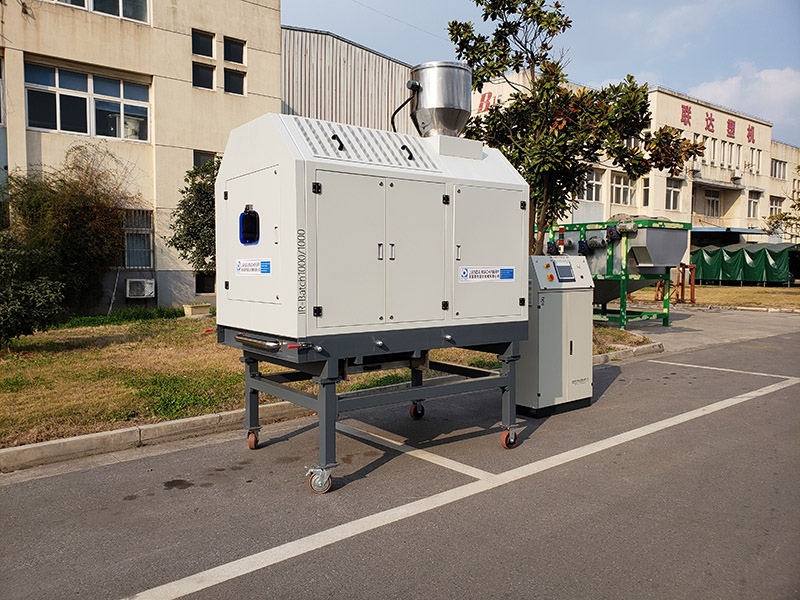
The evolving landscape of plastic recycling has seen significant technological strides in recent years, as manufacturers continually strive to enhance the efficiency and reliability of their machinery. A key player in this sector, with a notable history dating back to 1998, is ZHANGJIAGANG LIANDA MACHINERY CO., LTD, a company renowned for its commitment to simplifying plastic recycling processes while ensuring stable and easy production for plastic producers and recyclers. Recent developments in dehumidifier technology, an essential component in maintaining the quality of recycled plastic materials, reflect this ongoing dedication to innovation and practical design.
**The Critical Role of Dehumidifiers in Plastic Recycling**
In the plastic recycling industry, maintaining the purity and processability of plastic materials is crucial. Moisture content in plastics, especially hygroscopic polymers, can lead to defects in the final products, such as bubbles, poor surface finish, and compromised mechanical properties. Dehumidifiers play an indispensable role by removing moisture from plastic resins before they are processed or extruded.
The latest generation of dehumidifiers integrates advanced drying methods that enhance moisture removal efficiency while minimizing energy consumption. Such improvements are particularly important for plastic recyclers who operate on tight margins and require machines that offer stable performance over prolonged periods.
**Innovative Solutions for Simple and Stable Production**
ZHANGJIAGANG LIANDA MACHINERY CO., LTD has stood at the forefront of this technological progression. Since its establishment in 1998, the company has specialized in producing plastic recycling machines that prioritize simplicity and operational stability — attributes that directly respond to the needs of plastic producers and recyclers.
By focusing on user-friendly designs, the company ensures that their machines reduce downtime and maintenance efforts, thus enabling consistent production rates. This philosophy extends to their approach to integrating dehumidifiers with recycling systems, ensuring seamless compatibility and optimal drying conditions.
**Energy Efficiency Meets Operational Reliability**
One of the significant hurdles plastic recycling plants face is balancing energy expenditure with production yield. Traditional dehumidifiers often consume substantial power, which, over time, increases operational costs. Recent models, however, incorporate energy-saving technologies such as heat pump drying and compressed air regeneration, which lower power consumption without sacrificing drying performance.
ZHANGJIAGANG LIANDA MACHINERY CO., LTD actively incorporates these energy-efficient technologies into its recycling machines. By doing so, the company not only helps producers reduce operational costs but also aligns with growing environmental regulations and corporate sustainability goals.
**Customization for Diverse Recycling Needs**
The plastic recycling market encompasses a diverse range of materials and applications, from PET bottle flakes to engineering plastics like ABS and PC. Each material requires tailored drying conditions to ensure optimal processing quality. Recognizing this variability, manufacturers of dehumidifiers have developed customizable systems that allow operators to adjust parameters such as drying temperature, dew point, and airflow.
In parallel, ZHANGJIAGANG LIANDA MACHINERY CO., LTD offers flexible recycling machine solutions that can be paired with these advanced dehumidifiers. Their design ethos emphasizes adaptability, enabling customers to fine-tune their systems according to specific resin requirements and production scales. This adaptability is crucial for recyclers aiming to manage multiple plastic types with a single processing line.
**User-Centric Design for Enhanced Productivity**
Ease of operation is a hallmark of successful industrial machinery. Complex interfaces and frequent machine failures can severely disrupt production schedules. With this in mind, the latest dehumidifier models emphasize intuitive controls, digital displays for real-time monitoring, and automated alerts for maintenance needs.
Continuing its tradition of simplicity, ZHANGJIAGANG LIANDA MACHINERY CO., LTD integrates these user-friendly features into its machines, creating an environment where operators can easily manage and oversee the drying and recycling processes. Such improvements translate directly into reduced labor costs and less dependency on specialized technicians.
**Industry Impact and Future Prospects**
The integration of cutting-edge dehumidifier technologies into plastic recycling machinery reflects a broader trend toward sustainability and resource optimization in manufacturing. Companies like ZHANGJIAGANG LIANDA MACHINERY CO., LTD, with decades of experience, are driving this evolution by delivering reliable, simple-to-use solutions that maximize material reuse while minimizing environmental impact.
Looking ahead, ongoing research in advanced materials, IoT connectivity, and AI-driven process optimization promises to further enhance the capabilities of dehumidifiers and recycling machines. Predictive maintenance, remote diagnostics, and smart energy management systems are poised to become standard features, providing recyclers with even greater control and efficiency.
**Conclusion**
As the global push for circular economies intensifies, the plastic recycling industry must continuously improve its technological foundations. Dehumidifiers represent a vital component in this ecosystem, directly influencing the quality and efficiency of recycled products. Through its commitment to simplicity, stability, and adaptability, ZHANGJIAGANG LIANDA MACHINERY CO., LTD exemplifies how manufacturers can meet these challenges head-on, offering solutions that empower plastic producers and recyclers to achieve reliable, energy-efficient, and high-quality production.
This synergy between innovative dehumidifier technology and thoughtfully designed recycling machinery promises to play a pivotal role in shaping a more sustainable plastic industry for years to come.