
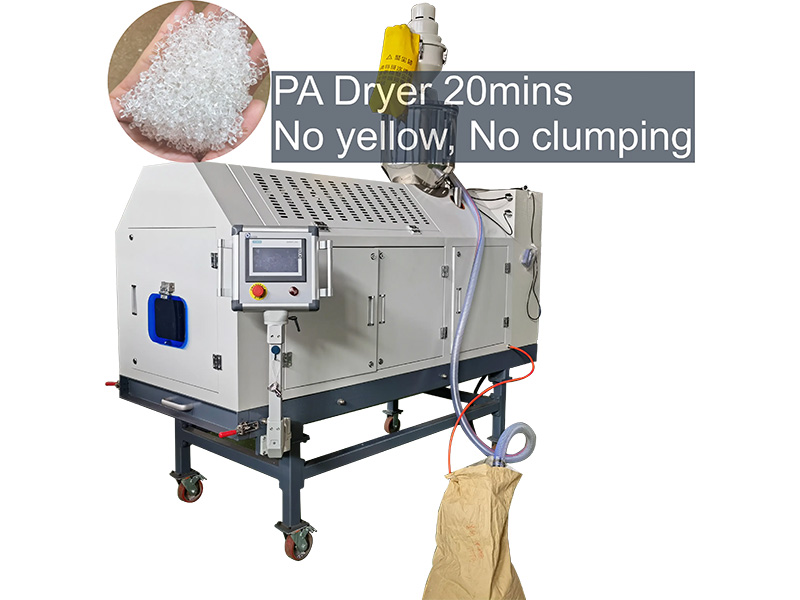
In a significant stride towards sustainable manufacturing and environmental responsibility, industrial plastic recycling machines are gaining unprecedented attention across the plastic production and recycling sectors. These machines, designed to simplify and stabilize the recycling process, are becoming essential tools for companies aiming to improve efficiency while minimizing ecological impact.
Since 1998, one company at the forefront of this innovation has been Zhangjiagang Lianda Machinery Co., Ltd. With over two decades of experience producing plastic recycling equipment, Zhangjiagang Lianda has consistently focused on meeting the core needs of plastic producers and recyclers by delivering machines that are both user-friendly and reliable.
**Meeting Industry Demands for Simplicity and Stability**
The plastic recycling industry faces continuous challenges related to processing diverse plastic waste streams effectively and economically. Many recycling operations contend with complex machinery that requires intensive maintenance and skilled operators, sometimes leading to downtime and inconsistent output. Addressing these challenges, Zhangjiagang Lianda Machinery’s development philosophy centers on designing machines with simplicity at their core, ensuring ease of use and stable production performance.
This approach resonates well with plastic producers and recyclers who prioritize operational continuity and minimal technical complexity. By streamlining the mechanical design and incorporating robust components, the company has produced recycling machines capable of handling various plastic materials, including polyethylene (PE), polypropylene (PP), and polyethylene terephthalate (PET), among others.
**Enhancing Sustainability through Advanced Recycling Technology**
Industrial plastic recycling machines are pivotal in turning plastic waste into reusable raw materials, significantly reducing landfill volumes and the demand for virgin plastic production. Advanced recycling equipment transforms post-consumer and post-industrial plastics into flakes, pellets, or other forms suitable for manufacturing new products. This circular approach not only conserves natural resources but also reduces carbon emissions associated with plastic production.
Zhangjiagang Lianda Machinery has consistently upgraded its machines to incorporate the latest technological advancements. Features such as energy-efficient motors, automated feeding systems, and precise temperature control contribute to higher recycling rates and lower operational costs. These enhancements align with global sustainability trends and regulatory measures promoting plastic waste reduction and responsible resource management.
**Supporting Plastic Producers and Recyclers Worldwide**
The company’s industrial plastic recycling machines serve a broad clientele, ranging from small-scale recyclers to large plastic manufacturing enterprises. This wide applicability is made possible by offering customizable machine configurations tailored to specific processing volumes and plastic types.
In addition to machinery, Zhangjiagang Lianda Machinery provides comprehensive technical support and training to ensure customers maximize the benefits of their investment. This commitment to customer service helps companies optimize their recycling operations, improve product quality, and maintain consistent production throughput.
**Driving Economic and Environmental Benefits**
The integration of industrial plastic recycling machines into production lines offers compelling economic advantages. By converting scrap plastics into high-quality recycled material, companies can reduce raw material costs while generating additional revenue streams. Moreover, the machinery’s reliable performance minimizes downtime and maintenance expenses, further enhancing profitability.
From an environmental perspective, these machines play a critical role in mitigating plastic pollution. Recycling reduces the volume of plastics entering oceans and landfills, preserving ecosystems and public health. Additionally, recycled plastics typically require less energy to process than virgin plastics, contributing to lower greenhouse gas emissions.
**Industry Outlook and Future Developments**
As the global community intensifies efforts to combat plastic waste, demand for efficient and accessible recycling technologies is projected to grow substantially. Industrial plastic recycling machines that offer simplicity, stability, and adaptability will be at the heart of this transformation.
Zhangjiagang Lianda Machinery continues to invest in research and development to meet evolving market needs. Upcoming innovations may include integrating smart technologies such as Internet of Things (IoT) sensors for real-time monitoring, artificial intelligence (AI) for process optimization, and further automation to reduce labor requirements.
**Conclusion**
The evolution of industrial plastic recycling machinery represents a critical component in advancing sustainable plastic production and recycling practices. Manufacturers like Zhangjiagang Lianda Machinery Co., Ltd, with their longstanding commitment since 1998 to designing simple, stable, and effective equipment, are empowering plastic producers and recyclers worldwide. By embracing these technologies, the industry can achieve greater resource efficiency, economic resilience, and environmental stewardship, contributing positively to a more sustainable future.