
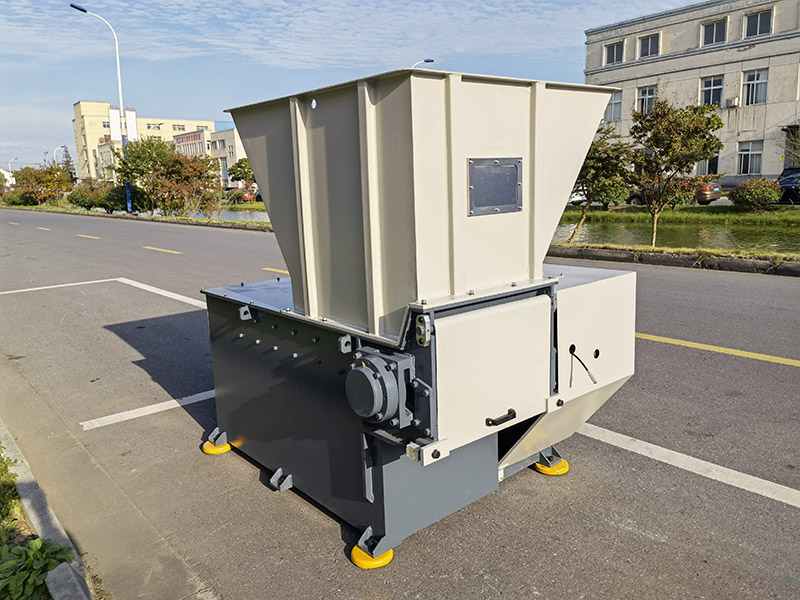
In recent years, as global awareness about the environmental impact of plastic waste grows, the demand for efficient and reliable plastic recycling machines has surged. The process of recycling plastics not only helps reduce landfill volumes and pollution but also supports a circular economy—turning waste into valuable raw materials suitable for manufacturing new products. However, a critical aspect that plastic producers and recyclers must consider is the cost of acquiring and operating these recycling machines. Understanding these costs and the benefits offered by carefully designed equipment is essential for making the right investment decisions.
### Overview of Plastic Recycling Machines
Plastic recycling machines are specifically engineered to process post-consumer or post-industrial plastic waste and transform it into reusable pellets, flakes, or regranulated plastic. These machines perform multiple functions such as shredding, washing, drying, and pelletizing the plastic material. The complexity and capabilities of recycling machines can vary widely depending on the type of plastic to be recycled, production volume, and final product requirements.
Given the range of machine types—from small-scale shredders to fully integrated, high-capacity extrusion systems—it is unsurprising that prices vary substantially. Basic shredders and washing lines may cost tens of thousands of dollars, while large turnkey recycling plants can approach millions.
### Factors Influencing the Cost of Recycling Machines
Several factors impact the investment required when purchasing plastic recycling machinery. These include:
1. **Machine Capacity and Scale:** Larger machines capable of higher throughput generally command higher prices but offer greater economies of scale if production volume justifies the investment.
2. **Technology and Features:** Machines with advanced features such as automated control systems, multi-stage washing, and filtration, or specialized extruders tailored for specific plastic types usually come at a premium.
3. **Build Quality and Reliability:** Durable machines made with high-grade materials tend to have longer service lives and lower maintenance costs, making them cost-effective over time despite higher upfront expenses.
4. **Customization and Support:** Tailoring machines to particular process requirements and having strong after-sales support influences both initial costs and total cost of ownership.
5. **Energy Efficiency:** Machines designed for energy-efficient operation can significantly reduce operating costs, an increasingly important factor given rising energy prices.
### The Need for Simple, Stable, and Easy-to-Operate Machines
While advanced features can be attractive, many plastic producers and recyclers prioritize simplicity and stability in their machinery. Complexity often translates into higher maintenance needs, operator training requirements, and potential downtime. Consequently, machines designed with a clear focus on ease of use and operational stability are highly valued in the recycling industry.
A prime example of this approach comes from a long-established manufacturer with over two decades of experience in producing plastic recycling machines. Since its founding in 1998, the company has emphasized designing sturdy, simple machines that prioritize what matters most to plastic producers and recyclers: consistent, trouble-free production.
### Balancing Cost With Performance: Investing in the Right Recycling Machine
Deciding on which recycling machine to invest in requires balancing the purchase cost with the expected benefits and returns. Here are some considerations to help guide procurement decisions:
- **Assess Actual Production Needs:** Understanding the volume and type of plastic waste to be processed is essential for sizing machinery correctly. Oversized machines increase upfront costs unnecessarily, while undersized ones limit production capacity.
- **Total Cost of Ownership:** Look beyond the purchase price to factors such as energy consumption, maintenance, spare parts availability, and operator training. Machines that are simple, reliable, and easy to maintain often pay back in lower ongoing costs.
- **Quality and Durability:** Investing in well-built machines extends equipment lifespan, reduces downtime, and enhances product quality.
- **After-Sales Service and Support:** A reputable supplier offering prompt technical assistance and spare parts can prevent costly operational stoppages.
- **Energy Efficiency:** Prioritize machines engineered for low energy usage to achieve savings over long-term operation.
By focusing on these areas, plastic producers and recyclers can select recycling machines that align with their budgets while ensuring stable, efficient production.
### Conclusion
As the plastic recycling industry continues to expand, making informed investments in recycling machinery becomes increasingly important. While the initial cost of recycling machines varies widely based on scale and features, the ultimate measure of value lies in how well the equipment meets the production needs with minimal complexity and maximal stability.
Manufacturers with decades of experience in designing plastic recycling machines underscore the importance of simplicity and reliability—key attributes that help recyclers maintain steady production, optimize costs, and contribute meaningfully to environmental sustainability.
For plastic producers and recyclers looking for an easy-to-operate, stable recycling machine solution, prioritizing quality design and total cost of ownership over the allure of advanced features can be the smartest way forward. By selecting the right equipment, businesses can not only achieve economic benefits but also play a vital role in advancing sustainable plastic waste management practices worldwide.