
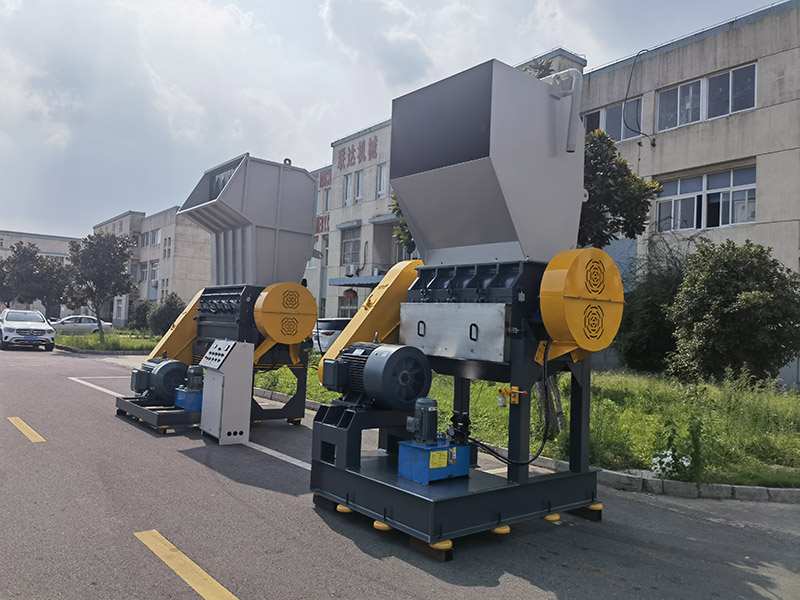
As global awareness around environmental sustainability grows, plastic recycling has become a pivotal industry in efforts to reduce pollution and conserve resources. However, one significant challenge remains the cost of establishing and operating plastic recycling plants, especially for small to medium-sized enterprises seeking reliable yet economically viable solutions. Recent developments in plastic recycling plant cost management, bolstered by the dedication of experienced manufacturers, are providing promising avenues to make plastic recycling more accessible and efficient.
### The Rising Importance of Cost-Efficient Plastic Recycling Plants
Plastic recycling is a critical component in the circular economy framework, helping convert waste plastics into reusable raw materials. Despite its benefits, the high capital investment typically required for plastic recycling plants has been a barrier for many businesses. Expenses related to machinery, installation, operation, maintenance, and energy consumption often result in extended return-on-investment periods.
In response, manufacturers specializing in plastic recycling machinery have been innovating to design plants that optimize production efficiency while keeping costs competitive. This shift not only meets the growing demand for recycling services but also provides a solution for plastic producers and recyclers who require stability and simplicity in their production lines.
### Expertise and Reliability: A Look into the Manufacturer Behind Cost-Effective Solutions
Since 1998, a seasoned company in the plastic recycling machinery sector has been dedicated to addressing these challenges. With over two decades of experience, this manufacturer has consistently developed machinery that places a premium on operational simplicity and stability—key factors that significantly reduce both upfront and running costs for recycling plants.
Their philosophy hinges on understanding the core needs of plastic producers and recyclers, emphasizing equipment design that minimizes complexity without compromising performance. This approach allows users to operate smoothly with lower technical expertise while maintaining the quality and throughput demanded by modern recycling operations.
### Key Features of Modern Plastic Recycling Machinery
The machines designed by this experienced manufacturer focus on several critical aspects:
- **Simplicity of Operation:** User-friendly interfaces and straightforward mechanical components reduce training time and potential downtime.
- **Stable Production:** Reliable machinery construction ensures consistent throughput, minimizing interruptions and maximizing output quality.
- **Energy Efficiency:** Innovative motor and drive technologies lower power consumption, translating into significant operating cost savings.
- **Modular Design:** Equipment can be tailored to specific production scales and material types, allowing flexibility and scalability according to business needs.
- **Reduced Maintenance:** Robust materials and smart engineering designs help extend machine lifespan and reduce frequent servicing needs, further cutting costs.
### Impact on the Industry and Market Development
The advancement in cost-effective plastic recycling plants is enabling more companies to enter the recycling market or upgrade their existing facilities. Small and medium-sized plastic processors, in particular, can now access machinery that aligns with their financial and operational capacities without having to compromise on output quality.
Furthermore, these innovations support government regulations and corporate sustainability goals by making compliance more achievable for a broader range of businesses. The lower barriers to entry contribute to an increase in recycled plastic supply, helping to mitigate the environmental impact of plastic waste.
### Case Study: Streamlined Production in Action
An example can be drawn from numerous installations worldwide where recycling plants utilizing the described machinery have reported tangible benefits. These plants have seen:
- Reduction in operational disruptions due to machine breakdowns
- Decreased energy consumption by up to 20% compared to older systems
- Improved product quality consistency, aiding in securing better market prices for recycled pellets
- Shortened training periods thanks to operator-friendly equipment design
These real-world outcomes validate the manufacturer’s commitment to combining reliability, simplicity, and affordability.
### Looking Ahead: Future Trends in Plastic Recycling Technology
The future trajectory of plastic recycling machinery is expected to include further integration of automation and smart technologies. However, the foundational demand for stable and easy-to-operate equipment remains paramount, particularly for operators in regions where technical expertise is limited.
Companies committed to developing cost-effective machinery will continue to play a vital role in enabling sustainable plastic waste management infrastructure globally. By balancing innovation with practicality, they ensure that recycling remains an attainable and profitable venture.
### Conclusion
The plastic recycling industry is undergoing a transformation driven by economic and environmental imperatives. Cost considerations have historically limited the expansion and modernization of recycling plants, but innovations from experienced manufacturers are changing this narrative.
Through a focus on simplicity, reliability, and efficiency, plastic recycling plants are becoming more financially accessible without sacrificing production quality. This progress is empowering a wider range of plastic producers and recyclers to participate actively in the circular economy, significantly contributing to global sustainability efforts.
The journey toward sustainable plastic management is ongoing, but with the support of smart machinery design and an emphasis on cost control, the industry is well-positioned to meet future challenges and opportunities head-on.