
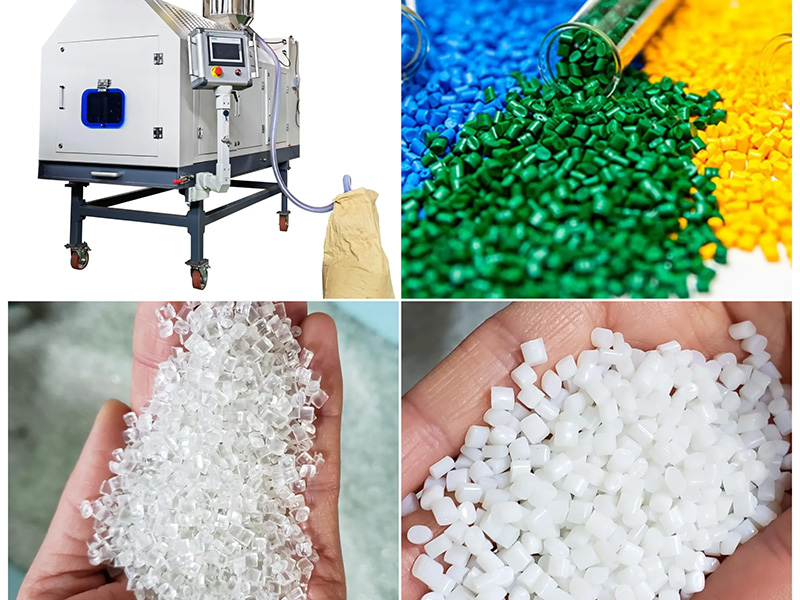
In the face of growing environmental concerns and increasing demand for sustainable practices, the plastic recycling industry is witnessing significant advancements in technology and machinery. One such advancement is the emergence of efficient PET recycling machines designed to support plastic producers and recyclers in achieving easy, stable, and cost-effective production processes. These machines not only address the urgent need for responsible plastic waste management but also offer competitive pricing models, making plastic recycling more accessible and profitable.
### The Growing Importance of PET Recycling
Polyethylene terephthalate (PET) is one of the most commonly used plastics worldwide, primarily known for its application in beverage bottles, food containers, and packaging materials. However, PET waste contributes significantly to environmental pollution due to its durability and extensive use. As governments implement stricter regulations and consumers demand sustainable products, recycling PET has become a priority for many businesses.
Recycling PET plastic reduces the volume of waste sent to landfills, conserves natural resources by reducing the need for virgin plastic production, and lowers carbon emissions associated with plastic manufacturing. Efficient recycling machines are therefore essential to transform waste PET materials back into usable raw materials for the plastics industry.
### Affordable PET Recycling Machine Prices Enable Broader Adoption
A critical factor influencing the widespread adoption of PET recycling technologies is cost. Many small and medium-sized enterprises (SMEs) find it challenging to invest in high-end plastic recycling machinery due to budget limitations. Recognizing this challenge, manufacturers have begun to offer PET recycling machines that balance quality, efficiency, and affordability.
Recent models of PET recycling machines are priced competitively, ensuring that businesses of all sizes can integrate environmentally friendly recycling practices without compromising their financial stability. These machines often come equipped with user-friendly interfaces and simplified operation systems, reducing the need for specialized training and minimizing downtime during shifts.
### Manufacturer Expertise: Crafting Machines for Stability and Simplicity
The development of these PET recycling machines is backed by decades of expertise in plastic recycling machinery manufacturing. Since 1998, companies specializing in this sector have been committed to designing machines that prioritize simplicity and operational stability. Their experience in understanding the precise needs of plastic producers and recyclers has allowed them to innovate machines that streamline the recycling process while ensuring reliable performance.
By focusing on essential factors such as ease of maintenance, consistency in output quality, and reduced energy consumption, these manufacturers help customers optimize their production flows. The machinery is engineered to handle significant volumes of PET waste efficiently, catering both to the growing recycling market and sustainability goals worldwide.
### Key Features of Modern PET Recycling Machines
Modern PET recycling machines incorporate a range of advanced features that make them highly effective for recycling applications:
- **Automated Sorting and Cleaning:** Integrated systems that clean and sort PET bottles and flakes improve the quality of recycled material and reduce manual labor.
- **High Throughput Capacity:** Machines designed to process large quantities of PET waste rapidly suit industrial-scale production.
- **Energy Efficiency:** Optimized motor systems and heat management minimize power consumption, reducing overall operational costs.
- **Compact Design:** Space-saving layouts enable easy integration into existing factory setups without requiring extensive remodeling.
- **User-Friendly Operation:** Intuitive controls and automation facilitate easier management by operators, reducing errors and improving safety.
- **Durability and Low Maintenance:** Robust components ensure long service life and minimal downtime, enhancing productivity and return on investment.
These features collectively contribute to more sustainable and profitable recycling operations, making PET recycling a viable solution for many stakeholders.
### Environmental and Economic Benefits
Adopting PET recycling machines not only supports environmental stewardship but also delivers tangible economic advantages. By recycling PET materials internally, companies reduce raw material costs and dependency on petroleum-based products, which are subject to price volatility. Additionally, many regions offer incentives, subsidies, or tax breaks for companies implementing sustainable recycling techniques, further improving the financial outlook.
The environmental impact is significant as well. Recycling PET helps lower greenhouse gas emissions by decreasing the demand for virgin plastic manufacturing, which is energy-intensive. It also curtails plastic pollution in oceans and landfills, contributing to cleaner ecosystems and improved public health.
### Industry Outlook and Future Trends
As international pressure mounts for sustainable manufacturing, the demand for PET recycling machinery is expected to rise steadily. Manufacturers continue to innovate, incorporating smart technologies like IoT connectivity and AI for advanced process monitoring and optimization. Such advancements will further enhance machine efficiency and predictive maintenance capabilities, enabling even more streamlined operations.
Moreover, the market is likely to see a diversification of machine sizes and configurations to cater to various scales of production—from small recycling workshops to large-scale industrial plants. This democratization of recycling technology exemplifies the industry’s commitment to expanding access and effectiveness.
### Conclusion
The availability of affordable, efficient, and stable PET recycling machines represents a significant stride in addressing the global plastic waste challenge. Supported by decades of manufacturing expertise focused on simplicity and reliability, these machines enable plastic producers and recyclers to adopt environmentally responsible practices without sacrificing productivity or profitability.
As the world shifts towards a circular economy model, such innovations in PET recycling technology will play a vital role in reshaping the plastics industry, benefiting businesses, consumers, and the planet alike. Companies looking to enhance their recycling capabilities and meet sustainability goals should consider investing in these advanced yet cost-effective PET recycling solutions.