
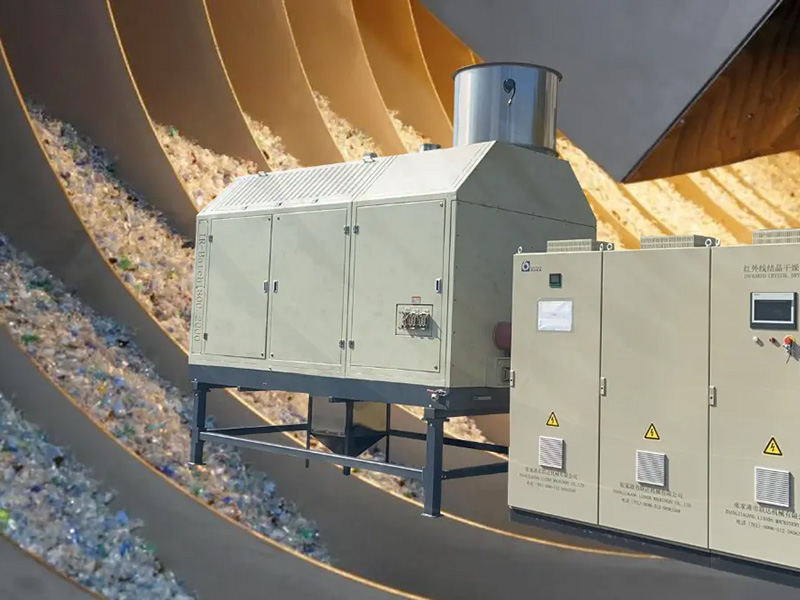
In recent years, the demand for sustainable plastic production and recycling solutions has surged globally, with high-density polyethylene (HDPE) recycling machinery playing a pivotal role in this transformation. The price dynamics of HDPE recycling machines have become a focal point for manufacturers and recyclers alike, driven by technological advancements, market demand, and environmental policies.
HDPE, a versatile and widely used plastic, is commonly found in products such as milk jugs, detergent bottles, and plastic bags. Recycling HDPE not only reduces environmental pollution but also promotes circular economy principles by enabling the reuse of plastic materials in manufacturing processes. The affordability and efficiency of recycling machines are critical factors impacting the adoption and scalability of HDPE recycling initiatives.
In the evolving market for HDPE recycling equipment, prices are influenced by several factors including machine capacity, automation level, energy consumption, and maintenance requirements. Basic models offer essential functions suitable for small-scale operations, whereas advanced models incorporate features like automated sorting, washing, and pelletizing, ensuring higher throughput and product quality. As more manufacturers focus on innovation, the cost of HDPE recycling machines has seen a balanced trend, combining value for money with enhanced capabilities.
Among the established players in the plastic recycling machinery industry, there are companies with decades of experience dedicated to designing and producing machinery tailored to the needs of plastic producers and recyclers. One such company, founded in 1998, has built a reputation for engineering simple, reliable, and efficient recycling equipment. By focusing on what truly matters for their clients—easy operation and stable production—they contribute significantly to advancing plastic recycling technology.
This company’s approach prioritizes user-friendly designs that minimize downtime and maintenance hassles, ensuring that recyclers can maintain steady production workflows. Their commitment to refining machine mechanics and optimizing energy usage makes their HDPE recycling machines attractive to businesses aiming to balance operational costs with environmental responsibility.
Market analysts highlight that as environmental regulations become stricter worldwide, the demand for quality recycling machinery is expected to rise steadily. Innovations in machine design, including automation and intelligent control systems, contribute to improving the cost-effectiveness of recycling operations, which in turn influences machine pricing trends.
Moreover, the increasing global focus on sustainable packaging and the reduction of virgin plastic usage drives investments in recycling infrastructure. This macroeconomic context supports the growth of the HDPE recycling equipment market, encouraging manufacturers to continue developing tailored solutions that meet diverse client requirements from small recyclers to large-scale producers.
In summary, the price landscape of HDPE recycling machines reflects a balance between modern technological features and operational affordability. Companies with extensive expertise and dedication to simple yet robust machine design play a central role in supporting the plastic recycling industry’s growth. Their machines empower recyclers to achieve consistent and efficient production, ultimately contributing to global sustainability efforts through improved plastic reuse.
As the industry moves forward, ongoing developments in machine innovation and cost optimization will likely further enhance accessibility to HDPE recycling technology, driving broader adoption and a positive environmental impact.