
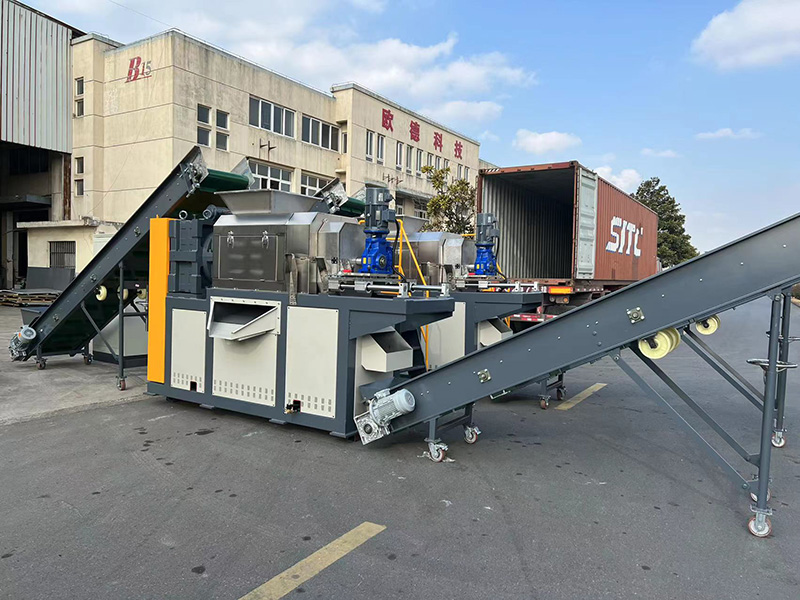
In the ongoing quest to promote sustainability and improve plastic waste management, the introduction of a new HDPE pelletizing machine marks a significant advancement for plastic recycling facilities worldwide. Designed with simplicity and stability at its core, this machine offers plastic producers and recyclers a reliable solution to streamline the pelletizing process of High-Density Polyethylene (HDPE), a common and versatile plastic used in numerous applications.
For over two decades, **ZHANGJIAGANG LIANDA MACHINERY CO., LTD** has been a dedicated player in the plastic recycling machinery industry. Since its establishment in 1998, the company has consistently focused on developing machines that address the practical needs of plastic producers and recyclers. Their philosophy is rooted in creating equipment that is not only easy to operate but also capable of maintaining steady production rates without compromising quality — a commitment that is evident in the latest HDPE pelletizing machine introduced to the market.
### A Solution Tailored for Plastic Recycling Demands
The HDPE pelletizing machine has been engineered specifically to handle the unique physical properties of HDPE plastic. Recyclers often face challenges such as inconsistent pellet size, machine clogging, and operational downtime, which diminish overall productivity. By focusing on a design that prioritizes simplicity, the new machine significantly reduces these common problems, ensuring smoother operations.
The machine features an intuitive control system that requires minimal training to operate, making it accessible for both small-scale recycling plants and large industrial facilities. Its robust mechanical components are designed to withstand continuous use, reducing maintenance frequency and extending machine lifespan. The result is a more efficient pelletizing process that can handle various feedstock conditions, including washed flakes and reprocessed HDPE materials.
### Enhancing Efficiency and Product Quality
One of the most prized attributes of the new HDPE pelletizing machine is its ability to produce pellets with uniform size and high density. Consistency in pellet size is crucial for downstream processes such as injection molding and extrusion, where uneven pellets can lead to defects in the final product. The precise cutting and cooling mechanisms incorporated into the machine ensure that pellets are properly shaped and dried, ready for immediate use or further processing.
Furthermore, the machine’s energy-efficient design helps reduce operational costs. By optimizing motor power consumption and minimizing heat loss during processing, the pelletizing system lowers the carbon footprint of recycling operations. This aligns with global efforts to not only recycle plastics effectively but also to do so in an environmentally responsible manner.
### Commitment to User-Centric Design
ZHANGJIAGANG LIANDA MACHINERY CO., LTD’s approach to machine design emphasizes the practical needs of its users. Since 1998, the company has nurtured a deep understanding of the plastic recycling industry, which is reflected in the functionality and reliability of its machinery. Their solutions aim to simplify complex recycling processes, allowing operators to focus on improving output rather than troubleshooting equipment.
In addition to easy operation, the machine incorporates safety features to protect operators and reduce risks during the pelletizing cycle. Emergency stops, automated shutdowns in case of malfunction, and clear operational indicators support a secure working environment. This focus on safety underscores the company’s dedication to creating machines that are not only effective but also dependable in everyday use.
### Supporting Circular Economy and Sustainability
The launch of this HDPE pelletizing machine comes at a time when global pressure to reduce plastic waste is at an all-time high. Effective recycling technologies play a critical role in closing the loop within the circular economy by converting plastic waste into usable raw materials. The machine helps recyclers turn post-consumer and post-industrial HDPE waste into high-quality pellets, facilitating the reuse of plastics and reducing the reliance on virgin materials.
By making plastic recycling more accessible and efficient, the equipment supports industry players in meeting environmental regulations and sustainability goals. As governments and organizations worldwide push for greener production methods, innovative machinery like this pelletizer becomes indispensable.
### Looking Ahead
The future of plastic recycling depends heavily on the availability of robust machinery that balances performance with ease of use. The introduction of this advanced HDPE pelletizing machine underscores the ongoing evolution in recycling technology spearheaded by established industry leaders like ZHANGJIAGANG LIANDA MACHINERY CO., LTD. Their two decades of experience have culminated in a product designed to simplify operations while delivering consistent, high-quality output.
As demand for recycled plastics grows, both for environmental and economic reasons, companies equipped with efficient pelletizing machines will have a competitive advantage. This innovation not only caters to current industry needs but also sets a new benchmark for how plastic recycling equipment should perform.
### About ZHANGJIAGANG LIANDA MACHINERY CO., LTD
Founded in 1998, ZHANGJIAGANG LIANDA MACHINERY CO., LTD specializes in producing plastic recycling machines tailored to meet the evolving demands of the plastic industry. With a strong focus on simplicity and stability, the company designs equipment that helps plastic producers and recyclers achieve easy and consistent production. Their deep industry experience drives continual innovation, making them a trusted partner in the global effort to promote sustainable plastic use.
---
The emergence of this advanced HDPE pelletizing machine highlights a crucial step forward in the plastic recycling sector, promising increased efficiency, safety, and sustainability for operators around the world. As the industry embraces these technological improvements, the collective impact on environmental preservation and resource reuse is expected to be profound.